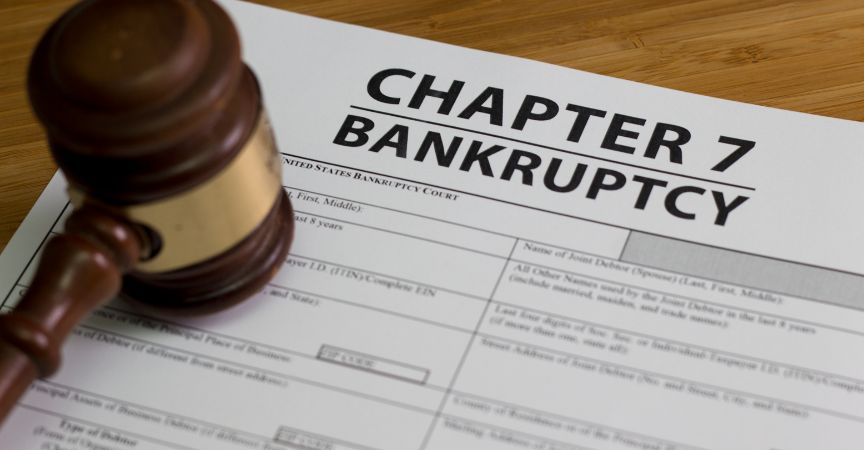
Many clients worry about how public the information in a bankruptcy will be: who gets or can see the information in their personal chapter 7 bankruptcy? After all, when a person files bankruptcy, they are filing a 50-plus-page Petition that lays bare *all* of their income, assets, debts and financial transactions for the past 1-3 years. Since all bankruptcies are legal filings with the US Bankruptcy Court, they are public documents and, by definition, accessible to anyone. In reality, however, very few people have their bankruptcy found or seen by anyone other than the creditors listed in their bankruptcy Petition. Read more »
February 17, 2027
Bankruptcy Procedure
A Brief History of Bankruptcy in America
My clients often ask me in fits of frustration: how did bankruptcy get to be like this? And I then have the chance to tell them about the storied history of bankruptcy! Usually, they ask this question out of rage at the sheer number of documents they’re asked to produce, but I take it as an opportunity to share the joys of tax law (that is not sarcasm, I love what I do).
But I figured we can all benefit from learning something about the history of bankruptcy. So, I wanted to share with you all some of the greatest developments. What follows is a brief history laid out by the major laws that we’ve created surrounding bankruptcy.
341 Meeting Questions You’ll Be Asked
Wondering what you might be asked in a 341 Meeting of the Creditors? This Chapter 7 meeting with trustees and creditors can loom large in the minds of some of my clients. Let me demystify what you’ll have to answer in this quick, painless meeting. Read more »
January 31, 2024
Are You A Consumer or A Non-Consumer Debtor?
When filing a Chapter 7 bankruptcy in California, it’s important to know if you’re a consumer or a non-consumer debtor. If you’re a consumer debtor, then you need to meet the Means Test, an income threshold you cannot go above and still qualify for a chapter 7. If you’re a non-consumer debtor, then you do not need to meet the Means Test; how much you earn may, but won’t necessarily, disqualify you from filing for Chapter 7. So what? Most everyone would prefer a chapter 7 to be free and clear of their debts without going through years of repayment first. Read more »
October 27, 2023
What Happens to California Homes with IRS Liens in Bankruptcy?
Many debtors in California file chapter 7 bankruptcy with a home that has an IRS tax lien on it. What happens in these cases? If the IRS has a federal tax lien on real property in California prior to a bankruptcy being filed, then that lien will survive bankruptcy. In other words, debtors cannot use bankruptcy to escape an existing federal tax lien on a California property, despite the fact that California bankruptcy law allows chapter 7 filers to take up to $678,000 in equity in a primary residence through bankruptcy. Read more »
June 14, 2023
How Long Does A Chapter 7 Bankruptcy Take in Thousand Oaks?
My clients often ask: how long does a Chapter 7 bankruptcy take? The short answer: it depends. It depends on how quickly the client organizes their information and documents; it depends on whether it makes sense to postpone filing to protect some assets that would be otherwise taken; and it depends on the Bankruptcy Trustee. I rarely have a bankruptcy take less than 4 months or longer than 8 months. The average is 5-6 months. Read more »
April 5, 2023
What Happens After A Chapter 7 Bankruptcy Is Filed?
You decided to declare personal bankruptcy. You’ve given the information about your debts, assets and finances to your bankruptcy attorney. S/he just filed your petition with the Bankruptcy Court. Now what? What happens after a Chapter 7 Bankruptcy is filed? Read more>>
February 21, 2023
Chapter 7 Bankruptcy Planning in Los Angeles County
When it’s time for bankruptcy planning, my clients in LA, Ventura and Santa Barbara counties often go “Huh?” It’s not obvious that filing bankruptcy should involve timing and strategy. But a good bankruptcy does. Why? To minimize assets the Bankruptcy Trustee may take. Here’s why pre-bankruptcy filing planning matters. Read more>>
January 27, 2023
Chapter 7 Bankruptcy Basics
For individuals (rather than businesses), there are two types of bankruptcy. Chapter 7 bankruptcy allows debtors to wipe out most existing debt, but there are strict income thresholds to qualify. Chapter 13 bankruptcy is a debt repayment agreement for higher-income people, that may or may not result in some of their debt being discharged at the end of the five year repayment plan. This blog overviews the basics of Chapter 7 personal bankruptcy. Read more>>
November 11, 2022
How To Lose A California House with An IRS Tax Lien in Bankruptcy
California increased the home equity people going through bankruptcy could keep in 2020: from $175,000 to $600,000, specifically so debtors wouldn’t lose their house in bankruptcy. It mostly works. Except with houses that have IRS tax liens on them. Read more>>
August 10, 2022